The US Is Lifting Russia Sanctions to Pay for Its Iran War
Four years of sanctions on Russia, suspended in two weeks because America's war on Iran broke the oil market. The rules-based order has an asterisk.
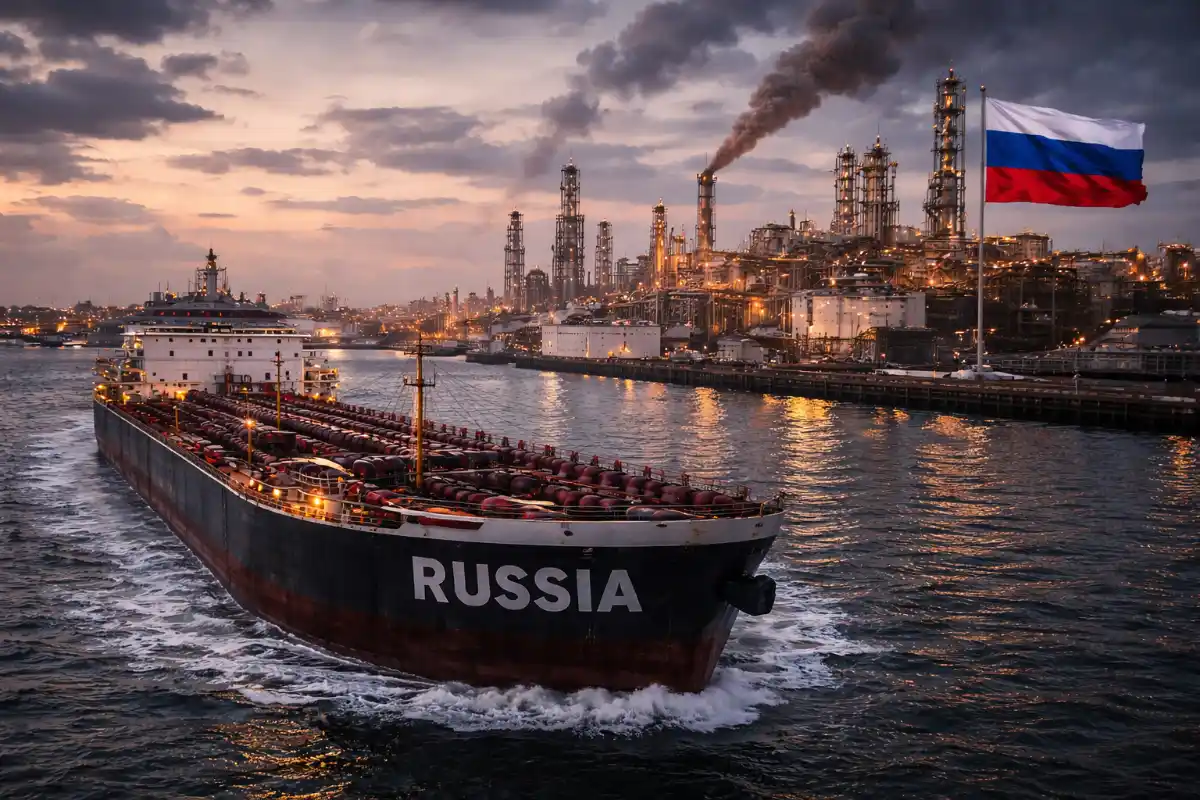
On March 12, 2026, the United States Treasury Department temporarily lifted sanctions on Russian oil. The reason? The war Washington started two weeks earlier had broken global energy markets. The irony is not subtle. The United States is now lifting sanctions on Russia to pay for its war against Iran.
The Setup
For four years, the United States led the most comprehensive sanctions regime in modern history against the Russian Federation. The message was unambiguous: invade your neighbor, commit war crimes, destabilize Europe, and the Western financial system will make you a pariah. Biden called it the "arsenal of democracies." Hundreds of billions in Russian assets were frozen. Energy exports were price-capped. Banks were cut off from SWIFT. Secondary sanctions threatened anyone who helped Moscow evade the dragnet.
This was supposed to be the cost of aggression. The precedent that would deter the next autocrat. The proof that the rules-based international order still had teeth.
Then the United States started its own war.
The truth doesn’t trend. It survives because a few still care enough to keep it alive.
Keep The Kade Frequency transmitting.
The Reversal
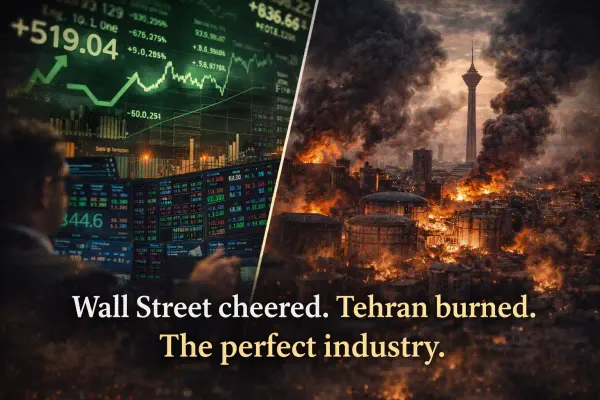
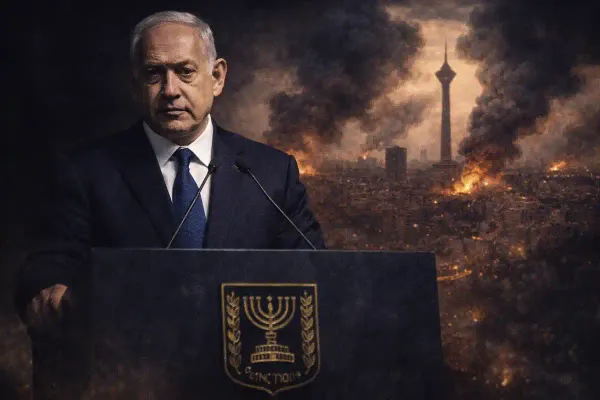
On February 28, 2026, the US and Israel launched a massive assault on Iran, without Congressional authorization, without UN mandate, without the "imminent threat" required under international law. Within two weeks, Iran had closed the Strait of Hormuz, cutting off 20% of global oil traffic. Brent crude surged toward $100 a barrel. American gas prices hit 22-month highs. The emergency release of 400 million barrels from strategic reserves, the largest in IEA history, did nothing to stop the climb.
So, the Treasury Department did what was previously unthinkable: it suspended sanctions on Russian oil "currently at sea," allowing it to flow freely to global markets until April 11. Treasury Secretary Scott Bessent estimated this could add "hundreds of millions of barrels" to supply.
The United States is lifting sanctions on the country it spent four years punishing, not because Russia changed its behavior, but because America's own war broke the market.
Independent investigations. Imperial expansion exposed. Pattern documented.
Get investigations delivered.
The Beneficiary
Russia didn't ask for this. It didn't negotiate for it. It didn't have to do anything at all. Moscow is simply the lucky third party in a conflict between Washington and Tehran, and it's being rewarded handsomely.
Russian oil, which was already flowing to India and China at steep discounts, now faces fewer obstacles. Prices are elevated. Asian buyers desperate for non-Hormuz supply are lining up. The war Russia is waging in Ukraine, the one that justified four years of economic siege, continues uninterrupted. And now the architect of those sanctions is paying Russia to help clean up a mess of its own making.
Putin didn't have to lift a finger. The United States simply handed him a financial windfall.
The Victim
Ukraine pays twice.
First, American attention and resources pivoted from Kyiv to Tehran. The peace talks that were supposedly progressing in Abu Dhabi and Geneva have stalled. US officials can't travel because they're busy bombing Iran. Russian officials won't come to the US. Zelensky says the process has become "chaotic."
Second, the country that's been killing Ukrainians for four years is now having its sanctions lifted so American gas prices don't hit $5 a gallon. Ukraine's most powerful ally just decided that cheap fuel matters more than consequences for aggression.
Zelensky met with exiled Iranian opposition figure Reza Pahlavi this week. He knows what's happening. He knows he's being traded.
The Contradiction
The United States can no longer lecture anyone about sovereignty, international law, or consequences for aggression. It attacked Iran without Congressional approval. It killed over 1,400 civilians in two weeks, including 165 children in a school strike the Pentagon admits was based on "outdated targeting data." It destabilized global energy markets. And when the bill came due, it reached for the same Russian oil it had spent years trying to strangle.
The "rules-based order" was always a flexible concept. But this is something else. This is the same administration, in some cases the same officials, who built the sanctions architecture now dismantling it for convenience.
The lesson is clear: Sanctions are not about principles. They are about leverage. And when the sanctioned needs something more than it needs the sanction, the sanction disappears.
The Question
What was the point?
Four years of economic warfare against Russia. Billions in frozen assets. European energy crises. A reshaping of global trade flows. All of it premised on the idea that there must be costs for invading a sovereign nation.
And now? Russia is selling more oil. At higher prices. With fewer restrictions. While continuing to kill Ukrainians every single day.
The United States just demonstrated that its own principles last exactly as long as its own convenience. The next autocrat is watching. The next invasion is being planned. And everyone now knows that American sanctions come with an asterisk: unless we need something.
The United States is lifting sanctions on Russia to pay for a war against Iran. There is no way to write that sentence that doesn't sound insane. And yet.
Frequently Asked Questions
Why did the US lift sanctions on Russian oil?
How does this benefit Russia?
What does this mean for Ukraine?
Were the Russia sanctions effective?
What does this reveal about the "rules-based order"?
A. Kade
The Kade Frequency, No sponsors, no filters, no propaganda.
© 2026 The Kade Frequency. All rights reserved.